Berlin Brandenburg Weather: Navigating General German Forecasts
Understanding the weather patterns for Berlin and the surrounding state of Brandenburg is crucial, whether you're a long-time resident, a new expat, or a tourist planning your next adventure. While general German weather forecasts provide a broad overview, truly grasping the local nuances of
wetter berlin brandenburg requires a more focused approach. This article delves into the climate of this dynamic region, guides you through interpreting broader German forecasts, and offers essential tips for staying informed about the specific weather conditions impacting Berlin and Brandenburg.
Understanding the Climate of Berlin-Brandenburg
Berlin and Brandenburg are situated in the heart of Germany, characterized predominantly by a temperate continental climate, albeit with some maritime influences due to proximity to the North and Baltic Seas. This geographical positioning means the region experiences distinct seasons, each bringing its own unique weather characteristics.
*
Summers (June-August): Generally warm, with average daytime temperatures ranging from 20-25°C, though heatwaves pushing temperatures above 30°C are not uncommon. Evenings are pleasantly mild. Thunderstorms, sometimes severe, can occur, especially in July and August. The longer daylight hours make it ideal for exploring the region's numerous lakes and outdoor cafes.
*
Autumn (September-November): Marked by a gradual cooling, falling leaves, and often foggy mornings, particularly in October and November. Temperatures typically range from 10-18°C in early autumn, dropping to 0-10°C by late November. It's a beautiful time for forest walks, especially in Brandenburg's vast natural landscapes like the Spreewald, though rain showers become more frequent.
*
Winters (December-February): Cold, with average daytime temperatures hovering around freezing (0-5°C). Nights can be significantly colder, often dipping below zero, leading to frost and ice. Snowfall is common but rarely prolonged, with periods of thaw interspersing snowy spells. While not as harsh as truly continental climates further east, preparation for cold weather is essential for navigating the
wetter berlin brandenburg during these months.
*
Spring (March-May): A period of transition, starting chilly and gradually warming. March can still feel quite wintry, but by May, temperatures often reach a comfortable 15-20°C, and the city's parks and gardens burst into bloom. It’s known for its variability, with sunny days quickly giving way to cooler, rainy periods.
The relatively flat topography of Brandenburg means that wind can be a significant factor, especially during storms or in open areas. While extremes are rare, understanding these seasonal patterns is the first step in accurately interpreting the daily
wetter berlin brandenburg forecast.
The Challenge of Pinpointing Regional Weather in General German Forecasts
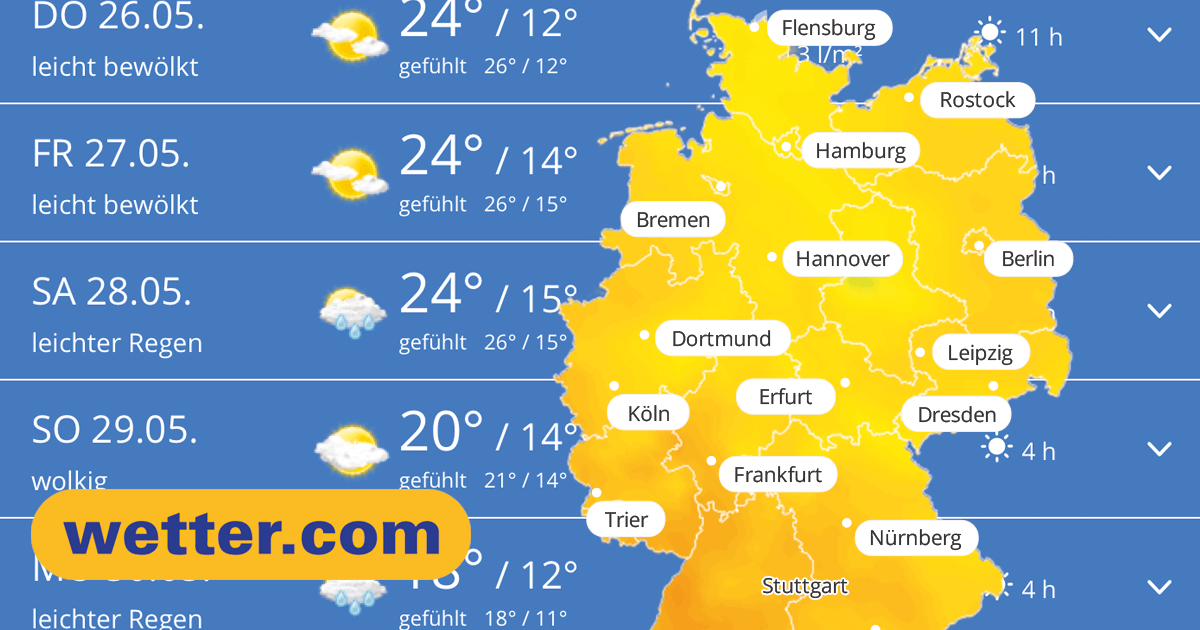
When you search for "wetter deutschland" (Germany weather), you'll often be presented with a national overview. This might include general temperature ranges, a national weather map, and perhaps specific forecasts for major cities like Munich, Hamburg, or even the general vicinity of regions like the Black Forest. However, these broad forecasts frequently lack the granular detail necessary for Berlin and Brandenburg. The sheer size and diverse geography of Germany mean that a forecast for Trier in the west or Müllheim-Feldberg in the south might bear little resemblance to the actual conditions in Berlin.
Finding precise
wetter berlin brandenburg information requires going beyond the national summary. Many German weather websites are structured by "Bundesländer" (federal states), meaning you’ll need to navigate to the specific sections for Berlin or Brandenburg to get accurate local data. For instance, a national forecast might mention widespread rain across Germany, but only by drilling down will you discover if that rain is expected to hit Berlin directly, or if it will be concentrated in another region. While broader outlooks, such as those discussed in
Germany Weather Beyond Berlin: Vienna, Trier & National Outlook, can provide a good context for national trends, they are not a substitute for localized information.
Decoding General Forecasts for Local Insight
Even when starting with a general German forecast, you can extract valuable clues for Berlin and Brandenburg:
*
National Weather Maps: Pay attention to the movement of high and low-pressure systems, frontal boundaries (warm fronts, cold fronts, occluded fronts), and areas of precipitation. If a cold front is sweeping across northern Germany, it's highly likely to affect Berlin-Brandenburg.
*
Temperature Gradients: Notice the temperature differences across the country. If the south is experiencing a heatwave, but the north is cooler, Berlin-Brandenburg will likely fall somewhere in between, leaning towards the northern influence.
*
Wind Direction: Westerly winds often bring milder, moist air from the Atlantic, while easterly winds can lead to colder, drier conditions in winter or hotter conditions in summer, reflecting the continental influence.
*
General Warnings: If there are national warnings for storms, heavy rain, or black ice, assume that Berlin-Brandenburg could be affected and then seek specific regional advisories.
By combining these general observations with targeted searches, you can build a more comprehensive picture of the
wetter berlin brandenburg.
Essential Tools and Tips for Accurate Berlin-Brandenburg Weather Information
To get the most accurate and up-to-date information for
wetter berlin brandenburg, it's vital to know where to look and how to interpret the data.
*
Official Sources: The German Meteorological Service (DWD - Deutscher Wetterdienst) is the official national weather service and offers highly reliable forecasts, radar images, and warnings for all regions, including Berlin and Brandenburg. Their website (dwd.de) is an invaluable resource.
*
Reputable Weather Portals: Websites like wetter.com, wetteronline.de, and kachelmannwetter.de are widely used in Germany. They allow you to search specifically for "Berlin" or "Brandenburg" and then drill down to specific towns or districts. These sites often provide detailed hourly forecasts, multi-day outlooks (like the "16-day trend" often seen for major cities), precipitation radar, and wind forecasts.
*
Local News and Apps: Many local Berlin and Brandenburg news outlets (e.g., rbb24) have dedicated weather sections. Additionally, numerous weather apps (e.g., AccuWeather, The Weather Channel, or local German apps) can be customized to provide hyper-local forecasts for your exact location within the region.
*
Check Multiple Sources: Weather forecasting isn't an exact science, especially for localized phenomena like thunderstorms. Comparing forecasts from two or three reputable sources can help you get a more balanced prediction.
*
Understand Forecast Horizons: A 1-3 day forecast is generally very reliable. A 7-day forecast offers a good indication but can change. Forecasts extending to 10 or 16 days should be treated as general trends rather than precise predictions for
wetter berlin brandenburg.
*
Pay Attention to Warnings: Always take heed of severe weather warnings issued by the DWD or other official bodies, which can include warnings for heavy rain, strong winds, thunderstorms, ice, or snow.
For even more detailed guidance on navigating these platforms and making the most of German weather services, consult our dedicated guide:
Finding Berlin Brandenburg Weather: Guide to German Forecasts.
Planning Your Visit or Daily Life Around Berlin-Brandenburg Weather
Practical application of the weather forecast is key to enjoying your time in Berlin-Brandenburg.
*
Packing Essentials: In summer, always pack light layers, sunglasses, and perhaps a light rain jacket. In winter, thermal layers, a warm coat, hat, gloves, and waterproof boots are indispensable. Spring and autumn require versatile clothing that can be layered, with an umbrella or waterproof outerwear always handy.
*
Commuting and Travel: Be aware that heavy rain, snow, or ice can affect public transport schedules and road conditions. Check for service updates before you travel, especially in winter.
*
Outdoor Activities: Whether you're planning a bike ride along the Spree, a visit to a park, or exploring one of Brandenburg's numerous lakes, check the forecast for precipitation, wind speed, and temperature to ensure comfort and safety.
*
Event Planning: Many events in Berlin-Brandenburg are outdoors. Always have a contingency plan for inclement weather if you're organizing or attending an outdoor gathering.
Seasonal Highlights and Weather-Related Activities in Berlin-Brandenburg
The diverse
wetter berlin brandenburg throughout the year allows for a wide array of activities:
*
Summer: Embrace the long, warm days with swimming in the Wannsee or Müggelsee, picnicking in Tempelhofer Feld, enjoying open-air concerts, and exploring beer gardens.
*
Autumn: Witness the stunning transformation of the foliage in the Tiergarten or the vast forests of Brandenburg. Enjoy cozy evenings in Berlin's many cafes and museums, and explore the charming towns like Potsdam.
*
Winter: Experience the magic of Berlin's Christmas markets, go ice skating, or explore the city's world-class museums and galleries in comfort. Crisp, clear winter days are perfect for walking along the Spree.
*
Spring: As the city awakens, enjoy cherry blossom festivals, stroll through blooming parks, and take boat trips on the rivers and canals. It's an ideal time for sightseeing before the peak summer crowds.
Each season presents unique opportunities, and being prepared for the prevailing
wetter berlin brandenburg ensures a more enjoyable and seamless experience.
Conclusion
While general German weather forecasts provide a starting point, truly understanding the
wetter berlin brandenburg requires a more targeted approach. By utilizing official meteorological services, reputable weather portals, and local news sources, and by learning to interpret broader national weather patterns, you can stay accurately informed. Whether you're planning daily commutes, weekend excursions, or an extended stay, being prepared for Berlin-Brandenburg's dynamic climate will enhance your experience in this vibrant German region. Embrace the distinct seasons, and you’ll find that the weather, in all its variations, adds to the charm and character of Berlin and Brandenburg.